
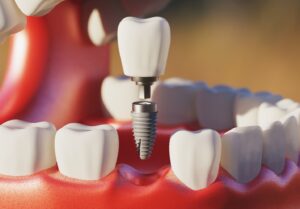
If you have rheumatoid arthritis, it’s normal to have questions about tooth loss and how you can address it. Dental implants are increasingly popular, but they require certain criteria before placement, one of which is good overall health. Does this mean you’re automatically disqualified from treatment? Will you have to rebuild your smile another way? Don’t assume the worst; instead, learn why there’s still hope for dental implants and how your dentist can help.
How Does Rheumatoid Arthritis (RA) Impact Dental Implants?
Systemic inflammation, joint pain, and fatigue are just a few of the most common symptoms associated with RA. This chronic autoimmune disease affects an estimated 1.5 million Americans, but if you are one living with missing teeth, you may wonder how it can impact your ability to receive dental implants.
The answer lies in a weakened immune system that not only makes healing harder but also lowers bone density and increases your risk of infection.
Dental implants need a stable jawbone to support a custom restoration, regardless of whether it’s a dental crown or denture. Without it, these prosthetics will fail. Post-procedure infection can also make it harder to heal successfully.
All of this may sound like there is no hope of getting dental implants, but that simply isn’t true. You can still receive new teeth with these prosthetics, but you and your dentist will need to take certain precautions.
What Should You Do to Ensure Your Dental Implants Are Successful?
Living with RA brings its own challenges, but an incomplete, unhealthy smile doesn’t have to be one of them. If you are sure you want dental implants to replace missing teeth, you and your dentist will need to create a plan to keep them stable and supportive long-term.
To be considered a good candidate for dental implants, you will need to:
- Make sure your RA is closely monitored. You and your doctor should evaluate your medication and lifestyle habits to ensure your inflammation and joint pain remain controlled.
- Have enough healthy jawbone to support your dental implants. Bone grafting is possible, but your dentist will need to incorporate it into your treatment plan.
- Your gums must be healthy, showing no signs of disease or infection.
- You are committed to practicing good oral hygiene long after your dental implants are placed.
Rheumatoid arthritis may impact your life in various ways, but you can control your new smile. With careful planning and a dentist who will work with your unique situation, you can confidently agree to dental implant treatment.
About the Practice
iSmile Dental offers convenient, down-to-earth dentistry for all patients. Our dentists have more than 100 years of combined experience treating all types of oral health issues, including tooth loss. Using enhanced imaging and technology, our team can perform dental implant placement and restoration in-house for a more comfortable approach. If you are curious whether these prosthetics are right for you, visit our website or call (817) 419–9009 to schedule an appointment.